3609 Jamison Way Castro Valley, CA 94546


Choosing the right dental crown material is an important decision. Whether you need Restorative Dentistry Castro Valley patients trust or simply want to understand your options, knowing the differences matters. Porcelain vs. zirconia vs. metal crowns — which suits you best in Castro Valley? This guide breaks it all down clearly so you can walk into your appointment feeling informed and confident.
Understanding the Three Main Crown Materials
Dental crowns restore damaged, decayed, or broken teeth. They cap a tooth to protect it and restore its function. Today, three main materials dominate the market: porcelain, zirconia, and metal. Each has unique strengths and trade-offs worth knowing.
Porcelain crowns have been used for decades. They mimic the natural look of tooth enamel extremely well. Zirconia is a newer ceramic material known for remarkable durability. Metal crowns — often gold or silver alloys — are the oldest and most time-tested option.
Dr. Matthew Yuen at Castro Valley Advantage Dental carefully evaluates each patient before recommending a crown type. Factors like tooth location, bite force, and personal priorities all influence the decision. Understanding each material helps you have a more productive conversation at your next visit.
Porcelain Crowns: Aesthetics First
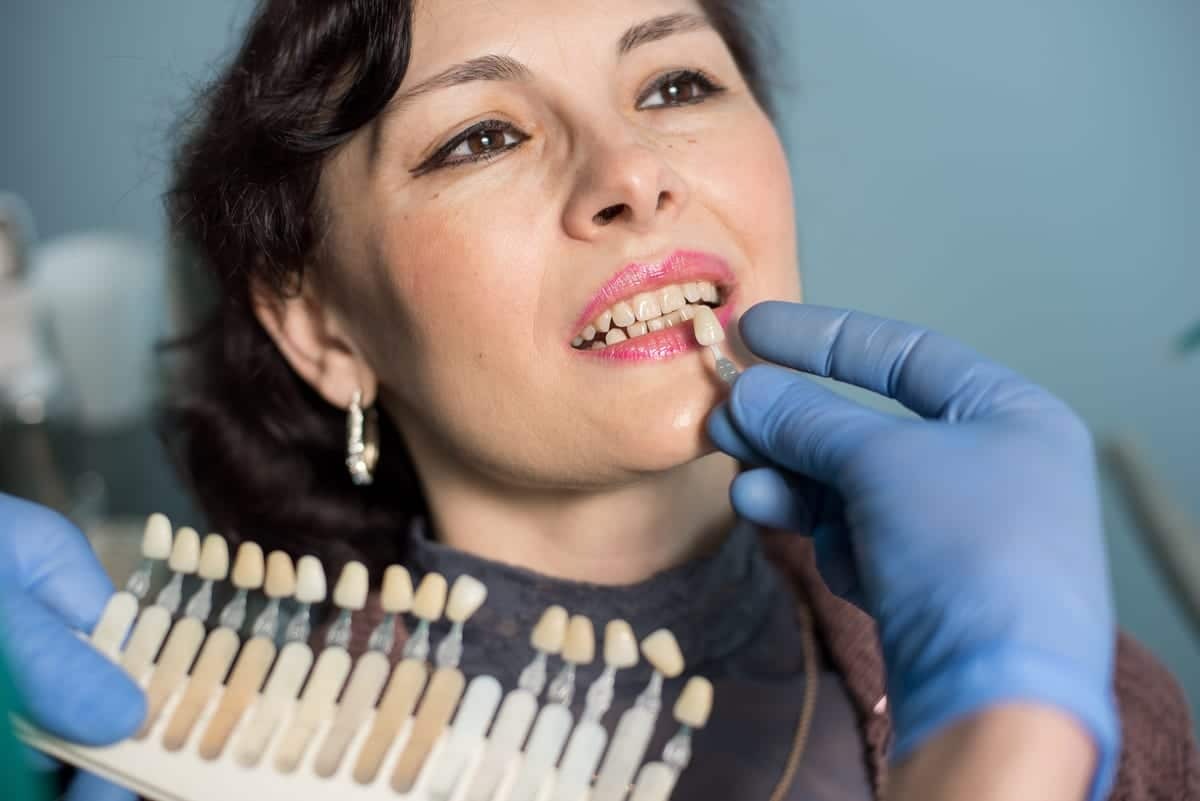
Porcelain crowns are the most natural-looking option available today. They reflect light like real tooth enamel does. This makes them a popular choice for front teeth that show when you smile. Many patients pursuing Cosmetic Dentistry Castro Valley residents rely on choose porcelain for this reason.
However, porcelain has some limitations compared to other materials. It can chip or crack under heavy biting pressure. It is also slightly more abrasive on opposing teeth than zirconia or metal. That said, modern porcelain formulations are much stronger than older versions.
Here are the key advantages of porcelain crowns:
- Excellent color-matching to surrounding teeth
- Natural translucency that mimics real enamel
- Ideal for front teeth and cosmetic cases
- Metal-free option for patients with sensitivities
Cost-wise, porcelain crowns are moderately priced. They typically fall between metal and full zirconia in terms of expense. If aesthetics are your top priority, porcelain is often the recommended choice.
Zirconia Crowns: Strength Meets Beauty
Zirconia has quickly become one of the most popular crown materials in modern dentistry. It offers a powerful combination of strength and decent aesthetics. Zirconia is extremely resistant to cracking and chipping. Many dentists now consider it the gold standard for posterior teeth.
Full-contour zirconia crowns are milled from a single solid block. This makes them incredibly strong under heavy chewing forces. Layered zirconia adds a porcelain overlay for improved aesthetics. The layered version looks more natural but is slightly less resistant to chipping.
Here is how zirconia stacks up in key categories:
- Strength — superior to both porcelain and metal alloys
- Aesthetics — good but slightly less translucent than porcelain
- Biocompatibility — well-tolerated by gum tissue
- Longevity — one of the longest-lasting crown materials available
- Cost — typically the highest-priced option
Zirconia crowns work well for both front and back teeth. For patients who grind their teeth or have a heavy bite, zirconia is often the smartest choice. Dr. Matthew Yuen often recommends full-contour zirconia for molars due to the forces those teeth endure daily.
Metal Crowns: The Proven Workhorse
Metal crowns have been used successfully for over a century. Gold alloys and other metal blends are extremely durable. They rarely chip or crack, even under significant pressure. For back molars, metal remains a clinically excellent option.
The obvious downside is appearance. Metal crowns are highly visible against natural white teeth. Most patients prefer them only on teeth hidden at the back of the mouth. However, for patients who prioritize function over aesthetics, metal delivers unmatched performance.
Metal crowns also require less tooth removal than other options. This means more of your natural tooth structure stays intact. They are also generally the most affordable crown material. For budget-conscious patients focused on back teeth, metal is worth serious consideration.
Gold crowns are especially gentle on opposing teeth. They wear at a rate similar to natural enamel. This reduces the risk of damaging surrounding teeth over time. That is a benefit many patients and dentists genuinely appreciate.
How to Choose the Right Crown for Your Needs in Castro Valley
The right crown depends on several personal factors. Tooth location is often the biggest deciding factor. Front teeth typically call for porcelain or zirconia for natural aesthetics. Back teeth can handle metal or full zirconia due to chewing demands.
Your bite strength matters too. Patients who clench or grind their teeth need stronger materials. Zirconia or metal crowns are usually better suited for those cases. Porcelain alone may not hold up under that level of force.
Cost is also a real consideration for many patients. Metal crowns tend to cost less upfront. Porcelain falls in the middle range, and zirconia often costs the most. That said, the longevity of zirconia may make it more cost-effective over time.
Finally, your personal aesthetic goals play a role. If a natural-looking smile is your priority, porcelain or zirconia is the better fit. If you simply want a durable, functional restoration on a back tooth, metal works beautifully. Dr. Matthew Yuen will walk you through all options and help you make the most informed choice possible.
Conclusion: Making the Right Crown Choice at Castro Valley Advantage Dental
Understanding the differences between porcelain, zirconia, and metal crowns empowers you as a patient. No single material is best for everyone. The right choice depends on where the tooth is, how you use it, and what matters most to you. Dr. Matthew Yuen and the team at Castro Valley Advantage Dental are here to guide you every step of the way. Book Now to schedule your appointment with our team.
Frequently Asked Questions
How long do dental crowns typically last?
Most dental crowns last between 10 and 15 years with proper care. Zirconia and metal crowns often last even longer due to their superior durability. Good oral hygiene and regular dental checkups help extend the life of any crown significantly.
Is getting a dental crown painful?
The procedure is performed under local anesthesia, so you should not feel pain during placement. Some mild sensitivity or soreness is normal for a few days afterward. Dr. Matthew Yuen takes care to ensure patients are comfortable throughout the entire process.
Can I get a crown on a front tooth?
Yes, crowns are commonly placed on front teeth. Porcelain or zirconia is typically recommended for front teeth because of their natural appearance. These materials blend seamlessly with surrounding teeth for a beautiful result.
What is the difference between a crown and a veneer?
A crown covers the entire tooth from all sides and is used for structural restoration or protection. A veneer only covers the front surface of the tooth and is primarily cosmetic. Your dentist will recommend the right option based on the condition of your tooth.
How do I care for my dental crown?
Caring for a crown is similar to caring for your natural teeth. Brush twice daily, floss regularly, and visit your dentist for routine cleanings. Avoid chewing on very hard objects like ice or hard candy to prevent damage to your crown.